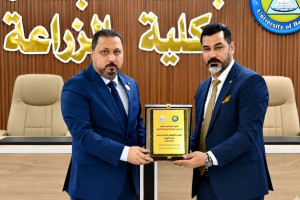
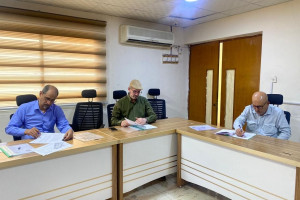
A master's thesis at the College of Agriculture, University of Basra, investigated the "Effect of Different Irrigation Periods, Potassium Fertilization, and Proline Spraying on Some Growth, Yield, and Quality Characteristics of Rapeseed."
The thesis, presented by researcher Elaf Dakhel Bader, aimed to determine the optimal irrigation period, potassium fertilizer level, and proline concentration, and to understand the interaction between these factors to achieve the best seed, oil, and quality yields for rapeseed.
The study examined three irrigation periods, six potassium fertilizer levels, and proline spraying on the growth, yield, and quality of rapeseed.
The thesis recommended the importance of potassium fertilization at a rate of 45 kg ha⁻¹ and proline spraying at a concentration of 25 mmol L⁻¹ to increase grain yield and quality under conditions of extended irrigation periods.
Media and Government Communication Division / College of Agriculture
Important News
viewed most